

Trusted advisor to healthcare practitioners · Est. 2016
Regenerative Solution · Devices

Energy-based devices that unlock the body's regenerative capacity.

Shockwave, high-power laser, low-level laser, microneedling, and dermal infusion platforms — selected, sourced, and supported for clinical outcomes.

Modern regenerative device in a clinical treatment room

Extracorporeal Shockwave Therapy (ECSWT) · LiSWT · RPT

The most versatile regenerative technology available!

What is Extracorporeal Shockwave Therapy (ECSWT)?

ECSWT, also known as Low-Intensity Shockwave Therapy (LiSWT), has been used successfully in Europe for over a decade for a variety of conditions, including heart disease, kidney stones and orthopedic conditions.

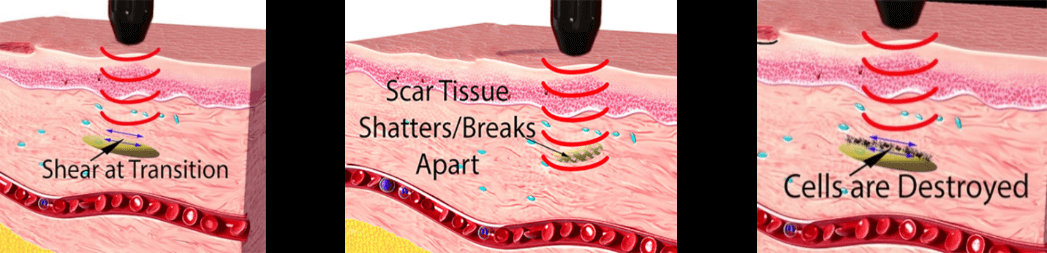
It is a non-invasive treatment that involves the delivery of shockwaves — essentially a pressure disturbance that propagates rapidly through a medium — to injured soft tissue. The shockwave will continue through the body until it hits something, such as scar tissue, that is dense enough to release the energy contained, creating compression and shear loads which serve to break apart the tissue. This ultimately serves to reduce pain, increase range of motion, increase blood flow, release growth factors, and promote healing.
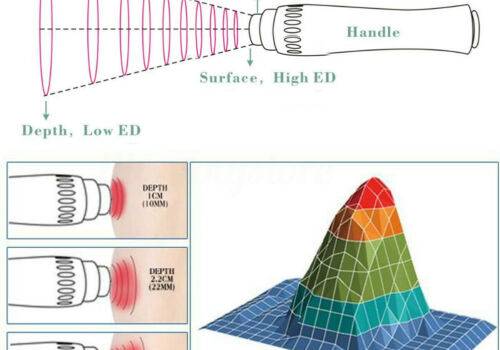
Extracorporeal Shockwave Therapy diagram
How ECSWT works — mechanical pressure wave propagation

How does Extracorporeal Shockwave Therapy work?

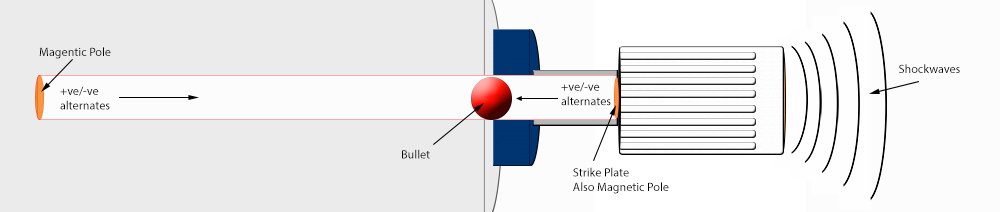
The technology works by accelerating a projectile in the handpiece which generates a mechanical pressure wave. This wave is transferred to the human body by an applicator head which radiates out in the tissue. The mechanical energy is absorbed by the tissue and decreases as the distance from the application site increases. The mechanical stress causes cavitation resulting in reactions in the tissue, breaking up adhesions, releasing growth factors, and promoting quicker healing.

What are the benefits of Extracorporeal Shockwave Therapy?

The benefits of the therapy's mechanical stimulation include increased local blood flow, cellular activity such as the release of substance P, prostaglandin E2, NO, TGF β, VEGF, and almost certainly other inflammatory cytokines, the breakdown of calcific deposits and adhesions, and finally relaxation of connective tissue.

Learn more from this policy paper published by BlueCross BlueShield of North Carolina: Extracorporeal Shock Wave Treatment for Musculoskeletal Conditions and Wound Healing.

What may Extracorporeal Shockwave Therapy treat?

ECSWT may help a variety of conditions, including treatment for soft tissue damage and chronic or acute pain within joints, ligaments, tendons, and muscles. It has also been shown to be very effective in the treatment and breakup of scar tissue, which may increase range of motion to levels not experienced since prior to injury.

In addition, ECSWT has been shown to reduce the appearance of cellulite. When applied, the body responds to the soundwaves with increased metabolic activity in the form of lymphatic drainage and increased blood circulation, with the end result being an improvement in the appearance of cellulite.
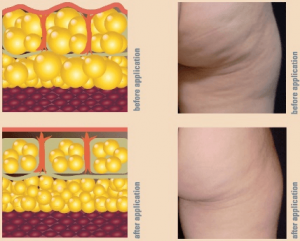
ECSWT clinical application

Fractional Dermal Infusion

Ensuring any product is delivered directly to the Dermal/Epidermal junction.

What is Fractional Dermal Infusion?

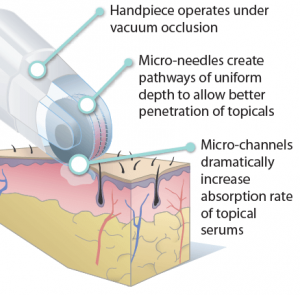
Fractional Dermal Infusion is a dermal micro-channeling system that offers simultaneous delivery of infused ingredients in a pain-free, no downtime treatment. The procedure is designed expressly to drive topical solutions to penetrate deeper into the tissue, creating micro-channels to the Dermal/Epidermal (DE) junction while simultaneously infusing topicals to this all-important tissue layer. By combining precisely calibrated needle penetration and unprecedented infusion capability, Fractional Dermal Infusion takes infusion technology to a whole new level.

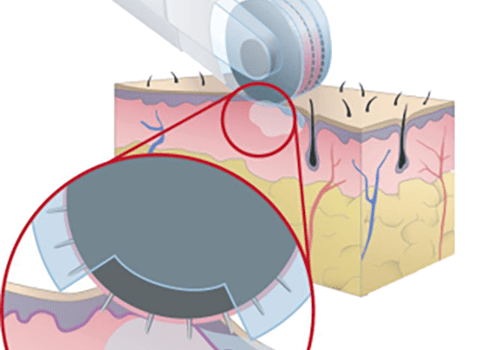
Fractional Dermal Infusion device

How does Fractional Dermal Infusion work?

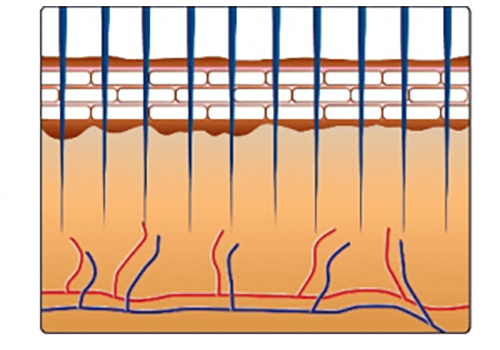
The Fractional Dermal Infusion handpiece uses vacuum to pull the skin into contact with hundreds of microneedles. These microneedles create pathways for the infusion of targeted serums containing high-grade active ingredients including peptides, skin lighteners, hyaluronic acid moisturizers, and, when using a sterile BioBrush, regenerative biologics by penetrating the epidermis above capillaries and nerve endings, ensuring no bleeding or pain. The system is designed to improve the overall appearance of the skin, and the procedure results in optimal absorption of the serum and/or biologics, stimulating a positive natural response by the body which may increase collagen and fibroblast activity.

Some patients choose to use the patented BioBrush™ to deliver regenerative biologics, as approximately 80% is delivered directly to the DE junction, as opposed to up to 30% when using microneedling alone.

What are some of the benefits of Fractional Dermal Infusion?

The non-invasive treatment, no downtime procedure may improve conditions such as:

  • Congested, oily skin
  • Scars
  • Stretch marks
  • Skin dehydration
  • Superficial fine lines & wrinkles
  • Pigmentation, sun spots and uneven skin tone

Microneedling

An effective and safe therapeutic option for numerous dermatologic conditions.

What is Microneedling?

Microneedling, also referred to as Collagen Induction Therapy, is a minimally invasive skincare treatment that can be combined with biologics to help rejuvenate the skin and smooth out wrinkles, address sun damage, reduce the appearance of acne scars, scarring on the body due to injury or surgery such as C-Sections, or even stretch marks.

How does Microneedling work?

A specialized device, typically called a Micropen, with fine needles is used to create tiny micro-injuries in the skin. This process triggers the production of collagen and elastin which in turn will stimulate firmness, improved skin texture as well as resurface the skin. The increased collagen production is essential to maintain smooth, firm, youthful skin. The device is ideal for creating micro-channels for deeper penetration of topicals and serums for combination therapy.

Microneedling treatment

What are some of the benefits of Microneedling?

The non-invasive treatment, no downtime procedure may:

  • Improve skin tone and pigmentation
  • Reduce fine lines and wrinkles
  • Studies have shown reduction in acne scarring
  • Refine and shrink pore size
  • Produce smoother, healthy skin
  • Help tighten skin for a more youthful look
  • Increase production of collagen and elastin

High Power Laser Therapy (HPLT)

Regenerative healing in overdrive.

Class IV High Power Laser Therapy benefits

What is High Power Laser Therapy?

High Power Laser Therapy (HPLT) is now widely recognized as a safe, pain-free, and non-invasive medical procedure to accelerate the treatment and rehabilitation of various acute and chronic pain conditions. HPLT devices are used in hundreds of medical facilities through the United States, including prestigious medical schools as well as the Department of Defense, the VA system, the NBA, NFL and MLB.

HPLT offers patients a painless, non-surgical and side-effect-free treatment for conditions previously refractive to traditional medical care. The mechanism of action for laser therapy comes from its ability, at the cellular level, to "bio-stimulate" tissue growth and repair.

This results in accelerated wound healing as well as a dramatic decrease in pain, inflammation and scar tissue formation. Unlike all other treatment modalities, laser therapy actually "heals" tissue, providing a powerful, non-addictive form of pain management.

Additionally, multiple studies have shown that HPLT safely and effectively activates stem cells without any detrimental effect upon the stem cells whatsoever. Laser therapy causes stem cell activation at the target site of photonic stimulation, where stem cell proliferation has been shown to occur along with the maintenance of cellular viability. Laser therapy also enhances stem cell procedures by accelerating articular cartilage regeneration, pain reduction and reduction of bony edema — just to name a few of the numerous synergies between the two procedures.

How does HPLT work?

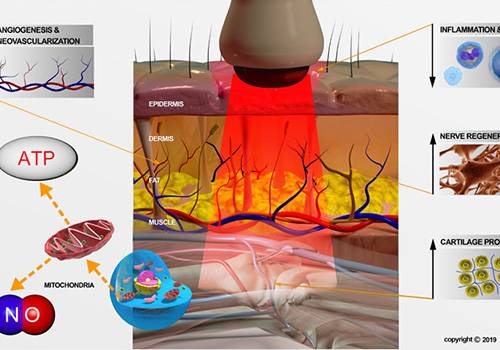
Class IV Therapeutic Lasers stimulate cell function photochemically, rather than thermally as is the case with surgical lasers. This is due to the ability of chromophores — components of molecules — to absorb light. By stimulating the chromophores on mitochondrial membranes, it is able to incite the production of ATP, which leads to protein synthesis, resulting in a biological cascade of events which increases growth factor response within cells and accelerates cell reproduction. The primary biological effects include accelerated tissue repair and cell growth, faster wound healing, reduced scar tissue formation, anti-pain, anti-inflammation, and — most interestingly — increased stem cell activation.

Diode Lasers (LLLT)

What are Diode Lasers and Low-Level Laser Therapy (LLLT)?

Low-level laser (light) therapy (LLLT) is a fast-growing technology used to treat a multitude of conditions that require stimulation of healing, relief of pain and inflammation, and restoration of function.

Benefits of diode lasers include the following:

  • Do not wear down
  • Do not need constant maintenance
  • Do not have consumption of active materials
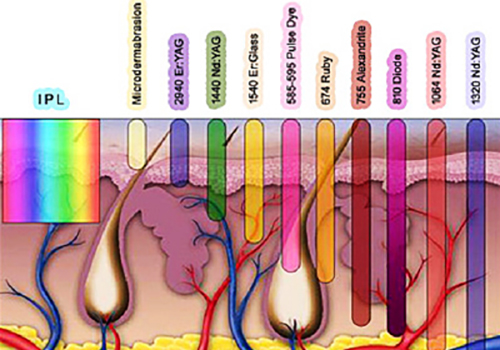
Laser depth of penetration chart

Ablative Laser

A wounding laser, which removes thin layers of skin. Types of ablative treatments include the carbon dioxide (CO2) laser and the erbium laser.

Non-Ablative Laser

A non-wounding laser, which stimulates collagen growth and tightens underlying skin. Includes many laser types as well as intense pulsed light (IPL) devices. Less invasive and requires less recovery time, but less effective than ablative laser resurfacing.

Fractional Non-Ablative Laser

Using a special handpiece, this technique treats only a small fraction of skin. The objective is to leave intact, undamaged skin around each treated area to act as a reservoir for rapid healing.

What does LLLT treat?

It has been shown to have beneficial effects for wrinkles, acne scars, hypertrophic scars, and healing of burns. LLLT can reduce UV damage both as a treatment and as a prophylaxis. In pigmentary disorders such as vitiligo, LLLT can increase pigmentation by stimulating melanocyte proliferation and reduce depigmentation by inhibiting autoimmunity. Inflammatory diseases such as psoriasis and acne can also benefit.

How does LLLT work?

The photons are absorbed by mitochondrial chromophores in skin cells. Consequently, electron transport, adenosine triphosphate (ATP) nitric oxide release, blood flow, reactive oxygen species increase, and diverse signaling pathways get activated. Stem cells can be activated, allowing increased tissue repair and healing.

How do I learn more?

Complete our Request More Information form to be contacted by one of our regenerative consultants, or call 833.RGN.R84U / 833.746.7848.

Request more information
5
device categories
2–5 wk
typical lead time
24 mo
manufacturer warranty
12 mo
included clinical support

Regulatory & Compliance

How our devices align with FDA, CE, and regenerative medicine guidance

This page is maintained by Dallas Regenerative Solutions to summarize the regulatory posture of the devices we distribute and the current U.S. framework for regenerative medicine. It is informational only and is not a substitute for a device's Instructions for Use, labeling, or independent legal or regulatory advice. Cleared indications, contraindications, and permitted claims are governed by each manufacturer's clearance and labeling.

FDA classification (U.S.)

  • Extracorporeal Shockwave (ECSWT / LiSWT / RPT): Class II devices marketed under 510(k) clearance for specific musculoskeletal, wound, and (where applicable) urologic indications. Off-label clinical use is at the practitioner's discretion and responsibility.
  • High Power Laser Therapy (HPLT, Class IV): Class II medical devices with 510(k) clearance for temporary relief of pain, muscle and joint stiffness, and increased local circulation.
  • Low-Level Laser / Diode Systems (LLLT): 510(k)-cleared Class II devices; specific dermatologic, aesthetic, and pain indications vary by model and labeling.
  • Microneedling & Fractional Dermal Infusion: Devices meeting FDA microneedling guidance (2020) are regulated as Class II when cleared for specific dermatologic indications; devices below intended-use thresholds may fall outside the medical-device definition.

CE marking (EU / UK)

  • Where applicable, distributed devices carry CE marking under the EU Medical Device Regulation (MDR 2017/745), typically as Class IIa or IIb active therapeutic devices, with UKCA equivalents recognized in Great Britain during the current transition period.
  • Conformity assessment is performed by the manufacturer's Notified Body; clinical evaluation and post-market surveillance obligations rest with the legal manufacturer, not with the distributor.
  • Indications, contraindications, and intended-use populations may differ between FDA-cleared and CE-marked versions of the same platform. Always follow the labeling that applies in your jurisdiction.

Regenerative medicine guidance (biologics, HCT/Ps, and combination use)

  • Human cell, tissue, and cellular/tissue-based products (HCT/Ps) are regulated under 21 CFR Part 1271. Products meeting all Section 361 criteria (minimal manipulation, homologous use, no combination with another article, no systemic effect / metabolic dependence) do not require premarket approval; products outside those criteria are regulated as biologics under Section 351 and require an IND/BLA.
  • FDA's 2017 Regenerative Medicine Policy Framework and subsequent guidance documents (2020 – present) continue to define enforcement priorities around stem cell, exosome, and perinatal-tissue products. Exosome products are not FDA-approved for any clinical indication and are considered biologic drugs requiring IND authorization for investigational use.
  • Autologous PRP prepared at point-of-care with a 510(k)-cleared system, used in the same surgical procedure, is generally treated as outside the HCT/P framework when used per the device's cleared indications.
  • Peptide therapeutics fall under FDA drug regulation. Compounded peptides must be prepared by a 503A or 503B pharmacy using bulk substances that appear on FDA's permitted lists; several peptides have been restricted or removed from compounding eligibility and should not be prescribed outside an approved pathway.
  • When a device is used to deliver a biologic (for example, microneedling or fractional dermal infusion combined with PRP, exosomes, or peptides), the biologic's regulatory status governs — device clearance does not extend to the substance being delivered.

Practitioner responsibility

Dallas Regenerative Solutions is a distributor and educational partner, not the legal manufacturer of the devices listed above and not a regulatory authority. Purchasing practices are responsible for verifying current clearance status, adhering to labeled indications, obtaining appropriate informed consent, following state medical, pharmacy, and scope-of-practice laws, and ensuring any use of biologics or compounded peptides complies with federal and state requirements. We are glad to share manufacturer clearance documentation, IFUs, and current guidance links on request.

Request regulatory documentation

Bring regenerative medicine into your practice.

Talk with our team about biologics, devices, or an AI-powered peptide protocol tailored to your patients.

Request Consultation →