
From Autografts to Allografts — and beyond.
These regenerative products are used to increase the body's own ability to heal, spanning five generations of biologics innovation.
Generations of regenerative biologics

PRP (Platelet-Rich Plasma)
PRP, PRP+PRFM (Platelet Rich Fibrin Matrix) — distilled through a simple blood draw and concentrated using a specially designed centrifuge.
Amniotic Products
Derived from the Amniotic Membrane (Amnion / ECM / Flowable Matrix) and Amniotic Fluid donated after the delivery of a healthy baby. Up to 250× the growth factors of PRP/PRFM.

Autologous Stem Cells
Derived from your own body: Stromal Vascular Fraction (SVF), Adipose-Derived Stem Cells (ADSC), and Bone Marrow Aspirate Concentrate (BMAC).
Mesenchymal Stem Cells (MSCs)
Multipotent stromal cells from donated umbilical cords of healthy, full-term deliveries. Available as Wharton's Jelly or Cord Blood.
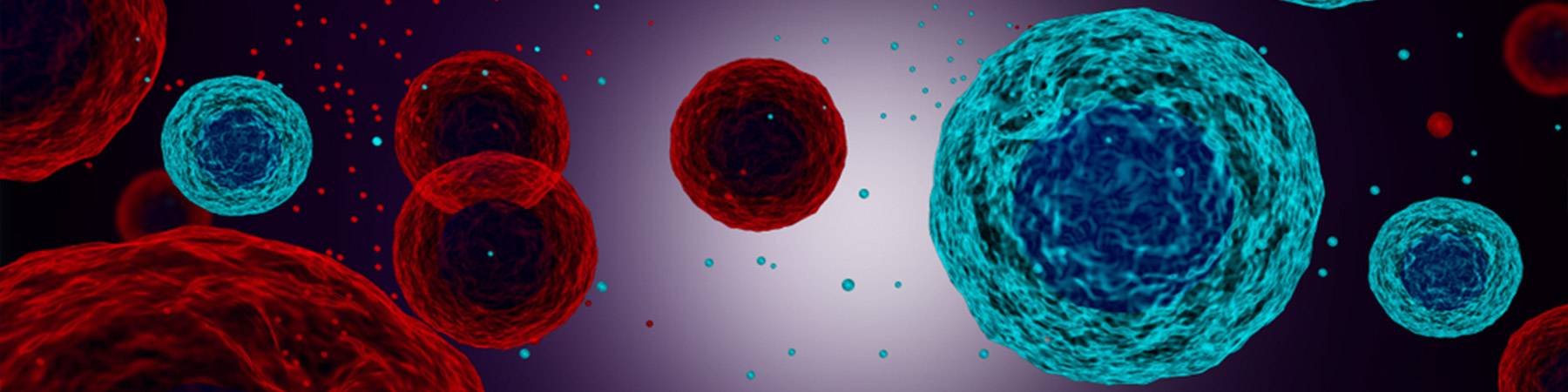
Perinatal Exosomes
Vesicles secreted by most cell types for cell-to-cell communication. Umbilical Cord MSCs can produce up to 7× more exosomes than adult MSCs.
PRP (Platelet-Rich Plasma)
Remember when you skinned your knee as a child?
What is PRP?
PRP is a concentrate of platelet-rich plasma protein derived from whole blood, centrifuged to remove red blood cells. It has a greater concentration of growth factors than whole blood and has been used to encourage a brisk healing response across plastic surgery, dentistry, orthopedics, and dermatology. As a concentrated source of blood plasma and autologous conditioned plasma, PRP contains several different growth factors and other cytokines that stimulate healing of soft tissue and joints.
Three major components used for healing:
- Platelet-poor plasma used for growth healing factors
- Blood cells that cause clotting
- Plasma — whole blood liquid with water and proteins that acts as transportation for the healing components
Growth factors in PRP/PRFM include PDGF-AA, PDGF-AB, PDGF-BB, EGF, FGF, IGF-1, IL-1α, TGF-β1, and VEGF — supporting cell proliferation, differentiation, chemotaxis, angiogenesis, and neo-collagenesis.
- Microneedling/devices#microneedlingStandard delivery pairing for topical PRP in aesthetics.
- Fractional Dermal Infusion/devices#fractional-dermal-infusionChannels PRP into the dermis for scar and rejuvenation protocols.
- Class IV HPLT/technologies#hpltPost-injection photobiomodulation to amplify the healing cascade.
Amniotic Products
What are Amniotic Products?
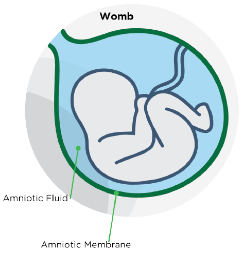
Amniotic products are derived from the amniotic membrane — commonly referred to as Amnion and Extracellular Matrix (ECM) — and amniotic fluid donated after the delivery of a healthy baby. They can contain as many as 250× the growth factors of PRP/PRFM. Amniotic products are anti-inflammatory by nature, so amniotic fluid helps reduce inflammation, increase epithelial cell reproduction, and increase angiogenesis. Amnion/ECM is particularly powerful in orthopedic and aesthetic applications due to the preponderance of growth factors and proteins organized and supported by a cellular matrix that supports regeneration of healthy tissue.
Amniotic Fluid
Amniotic fluid is the protective liquid contained by the amniotic membrane that cushions the growing fetus and facilitates the exchange of nutrients, water, and biochemical products between mother and fetus. It contains a substantial number of growth factors and immune components. Purified amniotic fluid has had extraneous cells removed and is immediately frozen to preserve the potency of its growth factors and nucleic acids. Because there are no cells and therefore no need for a diluting cryopreservant, purified amniotic fluid can deliver twice the number of factors (anti-bacterial defensins, anti-inflammatory cytokines, and neo-natal growth factors) as offered in standard amniotic products.
Amnion / Extracellular Matrix (ECM)
Amniotic membrane, or amnion, is the innermost layer of the placenta and consists of a thick basement membrane and an avascular stromal matrix. It has anti-inflammatory, anti-bacterial, and anti-viral properties as well as low immunogenicity. Clinicians have used amnion for over a century as a biologic dressing across a broad range of therapeutic applications. Amnion is an abundant source of collagen, other proteins, and cytokines; its collagens provide a structural tissue matrix for cellular attachment while the ECM assists in the migration and proliferation of the patient's own cells to the site of injury or defect.
Autologous Stem Cells
Autologous Stem Cells are derived from your own body and come in three primary forms: Stromal Vascular Fraction (SVF), Adipose-Derived Stem Cells (ADSC), and Bone Marrow Aspirate Stem Cells Concentrate (BMAC). Obtaining these cells requires a relatively painful harvesting procedure such as tumescent liposuction or bone marrow aspiration, which is then processed by mechanical means like microfiltration or by enzymatic processing. These cells have demonstrated remarkable benefits across multiple clinical indications.
Mesenchymal Stem Cells (MSCs)
Pure life delivered from Mother to Child.
What are MSCs?
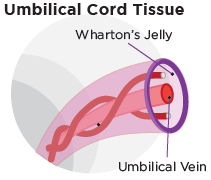
MSCs are multipotent stromal cells that can differentiate into a variety of cell types. They come from the donated umbilical cords of healthy, full-term deliveries and can be obtained in two different forms: Cord Blood or Wharton's Jelly. Donated MSCs derived from the umbilical cord after a live birth are more robust, younger, and contain a greater level of the growth factors and cytokines necessary for tissue regeneration than MSCs from other sources. The applications of Cord Blood MSCs and Wharton's Jelly MSCs vary dramatically, as Wharton's Jelly contains an even greater degree of cellular matrix and growth factors than Amnion/ECM.
Structural Wharton's Jelly
The umbilical cord — often considered the cord of life — is largely composed of Wharton's Jelly. The cushioning and protective elements of Wharton's Jelly consist of a network of structural proteins, pericytes, MSCs, cytokines, chemokines, growth factors, and components such as collagen and hyaluronic acid (HA) that work together to dampen the physical stresses encountered during development.
Cord Blood
Cord blood refers to blood from the umbilical cord and placenta. It contains a mixed population of cells including hematopoietic stem cells (HSC) and mesenchymal stem cells (MSC). These cells have the capacity to self-renew, release growth factors, and further develop into more specialized cells. They have also been associated with contributing to tissue homeostasis, anti-inflammatory responses, and antioxidant effects. This collection of cells can work together to provide a synergistic effect that offsets the naturally occurring processes typically derived from age and environmental factors.
Perinatal Exosomes
Exosomes were first discovered 30 years ago as a vesicle secreted by most cell types, but only in the last decade have we understood that their true purpose is communication between neighboring and distant cells. Umbilical Cord MSCs can produce up to seven times more exosomes than adult MSCs, and because exosomes reflect the properties of their source cells, they pass along their therapeutic attributes. These are more precisely referred to as Perinatal Exosomes.
Talk with a regenerative consultant.
Complete our contact form to be reached by one of our regenerative consultants, or call 833.746.7848.
Talk to a regenerative supply specialist
Tell us the service line you are building and we will map the biologics, devices, and supplies that fit your protocol and margins.
- Licensed Texas distributor since 2016
- Protocol, training, and workflow support
- Straight answers on cost per treatment
Most practices hear back the same business day.
Bring regenerative medicine into your practice.
Talk with our team about biologics, devices, or an AI-powered peptide protocol tailored to your patients.