
$36B
Global regenerative medicine market size projected for 2026
Source: Grand View Research, Regenerative Medicine Market Outlook 2026
Regenerative medicine physicians replace surgery and long-term medication with biologics, energy-based devices, and precision peptide protocols that stimulate the body's own repair pathways.
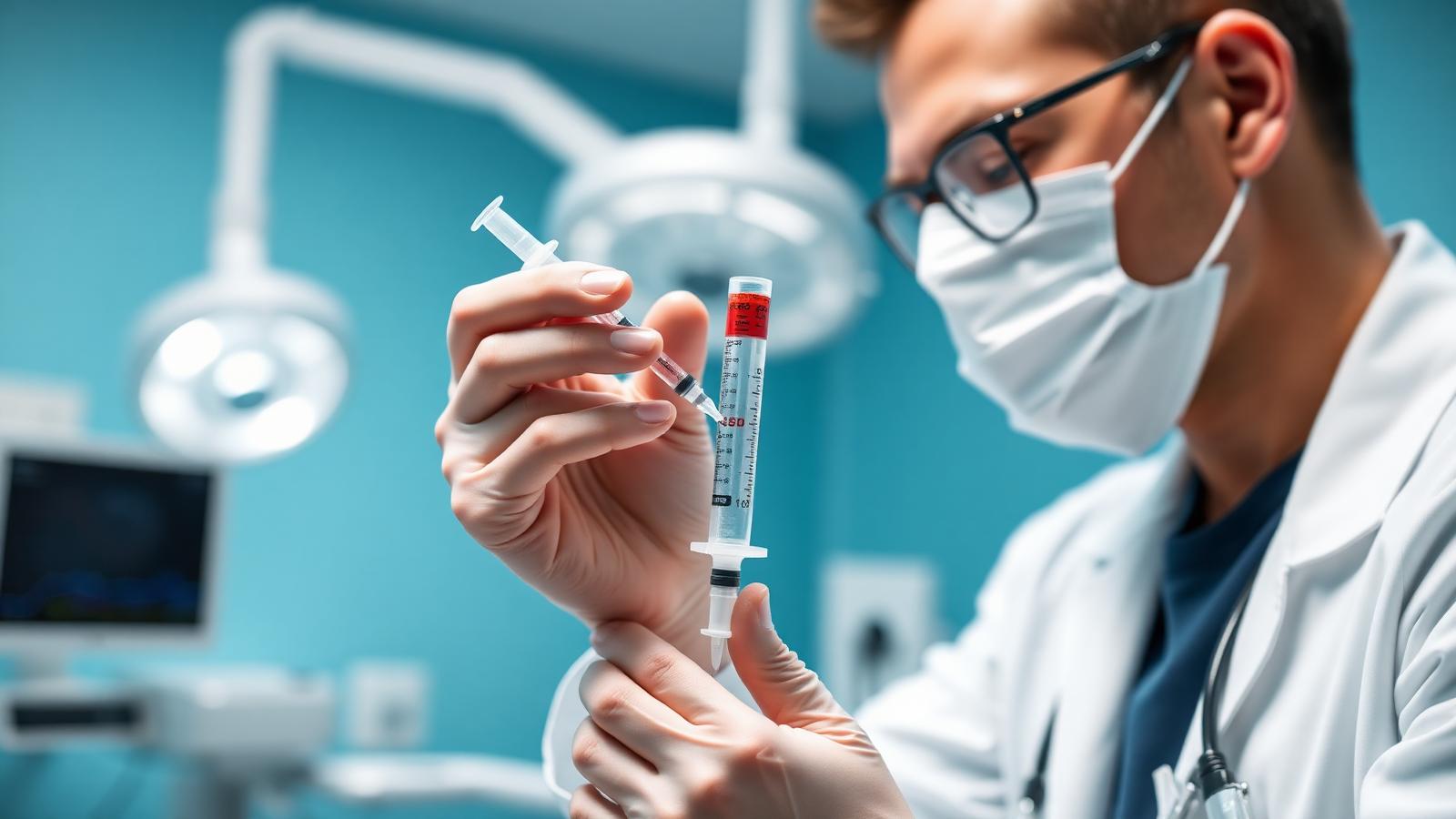
Regenerative medicine doctors are board-certified physicians — often orthopedists, sports-medicine, PM&R, urologists, gynecologists, aesthetic physicians, or interventional pain specialists — who use platelet-rich plasma, exosomes, mesenchymal stem cells (MSCs), amniotic tissue allografts, shockwave, laser, and peptide therapy to accelerate healing, reduce inflammation, and restore function. Instead of masking symptoms, they target the underlying biology of joint degeneration, tendon and ligament injury, chronic pain, hair loss, sexual dysfunction, skin aging, and post-surgical recovery.
By the numbers
PRP, MSCs, exosomes, and ECSWT reduce or eliminate the need for cortisone, opioids, and elective surgery for knee osteoarthritis, rotator cuff, tennis elbow, plantar fasciitis, and chronic tendinopathies.
Autologous and allograft biologics carry a low adverse-event profile and can be combined with shockwave or laser to shorten rehab timelines versus arthroscopic surgery.
Regenerative procedures are largely cash-pay, which supports pricing transparency, no insurance denials, and predictable margin.
The same practice can treat orthopedic pain, sexual wellness, hair restoration, aesthetics, and wound care using overlapping biologics and devices — increasing lifetime patient value.
We supply the full regenerative stack — biologics, energy-based devices, sterile consumables, and AI peptide protocols — through one clinical partner.
PRP, exosomes, MSCs, and amniotic allografts for joints, tendons, sexual wellness, aesthetics, and wound care.
Focused shockwave (ECSWT), high-power laser (HPLT), low-level laser (LLLT), microneedling, and fractional dermal infusion.
AI-guided GLP-1, healing, sexual-health, and longevity peptide protocols with clinician education.
Injection kits, single-use sterile consumables, PPE, and practice technology to run a compliant procedure suite.
Practice assessment: patient panel, procedure mix, room and staff readiness.
Biologics, devices, and peptide protocols tailored to your specialty, plus staff training.
Restocking, protocol updates, and marketing support via our partner network.
For many orthopedic, tendon, and sexual-wellness indications, biologics and shockwave can defer or replace surgery. We help you triage which patients are candidates.
PRP and shockwave devices we supply are FDA-cleared for their labeled indications. Cellular and amniotic products are provided under applicable HCT/P regulations.
Yes — many practices combine PRP or MSCs with GLP-1, BPC-157, or growth-hormone-releasing peptides. Our partners at PeptideProtocols.ai and PepEdHub.com support protocol design.
From the blog
The 2026 regenerative stack is bigger than PRP. Here's the biologics, devices, and peptide combinations that are actually moving outcomes and revenue this year.
Read article →A practical, indication-by-indication decision framework for regenerative physicians choosing between PRP, exosomes, MSCs, and amniotic tissue in 2026.
Read article →Tell us your specialty and patient volume. We'll recommend the right biologics, devices, and peptide protocols and support onboarding end to end.